Hibiscus: Rooted in Tradition, Made for Every Table
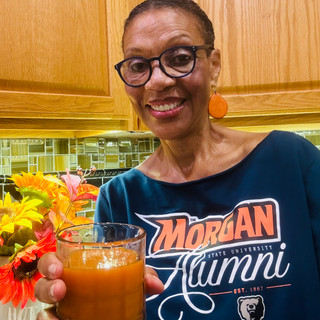

In kitchens across the Caribbean and far beyond, a pot of deep red hibiscus is set to steep. Other spices go in, like cinnamon, clove, ginger, orange peel, some add anise, lemongrass, pineapple, or other tropical treasures, and the house slowly fills with a scent that, for millions of families, means the holidays have arrived. For me, that scent means home, healing, and comfort.
My Story of Hibiscus
When my family returned to Suriname, after years living in the Netherlands, my true introduction to hibiscus came. In Suriname we know hibiscus as Syuru, or Sjoeroe, and together with our Ginger beer (a non-alcoholic drink made purely with Ginger an spices) it was a part of life, part of celebrations and everyday moments alike. Years later, after moving to the United States, I came back to hibiscus in a way I never expected. It was during the loss of my father that I found myself brewing it again and again, and the ritual became a quiet source of comfort and healing. Over many cups of hibiscus, I dove into the history of how hibiscus travels, and wherever it lands, but most importantly, how it brings people together.
When my husband and I committed to changing how and what we eat, not just a little here and there, but literally looking at everything we consume, hibiscus tea drinking became a daily habit. We saw drastic changes in inflammation, kidney function, cholesterol and blood pressure, but we did not stop there, we shared the news with anyone who wanted to listen. Anyone visiting our home knows, is welcome to try our hibiscus teas and mocktails, always amazed at how creative we can get without excessive use of sugars and other artificial flavors, simply hibiscus, herbs, and spices in a cup.
What Is Hibiscus, Exactly?

The hibiscus we drink is Hibiscus sabdariffa, also called roselle, a plant in the mallow family native to Africa. We use the calyx of the plant, rather than the flower you see blooming, the plump, cup-shaped, deep red part at the base of the flower, which is harvested and dried. If you have never tasted it, imagine cranberry with a bright, lemony tartness and a gentle floral finish. It is bold on its own and wonderfully friendly with others. Warm spices round it out, citrus makes it sparkle, and fruit softens its edges. That is exactly why it has inspired so many recipes across so many cultures, and why I love creating with it.
Many Lands, Many Names
One of the things I find most beautiful about hibiscus is how many names it carries. In Suriname it is Syuru. Across the Caribbean, it is sorrel, the ruby drink raised in celebration every Christmas season. In Mexico and much of Latin America, it is agua de Jamaica. In Senegal it is bissap, in Ghana sobolo, in Nigeria zobo, and in Egypt karkadé, the drink served at weddings and family gatherings. Each family has its own way. Some brew it with cloves and ginger. Some add allspice, star anise, bay leaf or nutmeg. Some finish it with lime, some with orange. But all of these drinks begin with the same flower. And the story of how that flower crossed oceans is one we should honor. Hibiscus traveled from Africa to the Americas during the transatlantic slave trade, and the familiar plants that made that journey became, as culinary historian Michael Twitty describes it, a semblance of hope, a way to hold on to identity and memory. When families across the Caribbean, Latin America and the African diaspora pour sorrel at Christmas, they are carrying something much deeper than a recipe. They are carrying resilience, joy and connection. I think about that every time I brew a pot.

Why Hibiscus Belongs at Your Table
I have used hibiscus as one of the tools to help clients improve health outcomes, so much that their doctors asked to contact me, no joke. We have used scientific evidence to back up our real-life results and so far, the science and our clients' results speak for themselves.
You see, that deep ruby color comes from anthocyanins, powerful plant antioxidants in the same family that colors blueberries and red cabbage. Hibiscus is especially rich in these antioxidants, and when you brew a cup, you take in a good portion in every sip. Hibiscus sabdariffa, as scientists refer to it, has also been studied for many years in carefully designed clinical trials, something that may surprise many. In one well-known study, adults who drank three cups of hibiscus tea a day for six weeks saw their blood pressure drop significantly more than those drinking a placebo. When researchers recently brought together the results of 26 clinical trials, hibiscus consistently lowered blood pressure, with the strongest benefit in adults over 50 who drank it regularly for more than a month. The same research found that hibiscus helped lower total and LDL cholesterol, raised the protective HDL cholesterol and improved fasting blood sugar. That is why I call hibiscus a heart-friendly drink. During festivities, holiday seasons, traditional and other celebrations, when so many of our drinks are loaded with sugar, hibiscus may just offer you something so festive and beautiful and that genuinely supports your health.
A Tradition Worth Sharing
Today, I sharing my personal tradition, one I still practice to date, but more than what's in my cup of tea, I am sharing news about a plant that has been part of healing, celebrations, and friendships across cultures. That is why it sits at the heart of my Whole Food Nourishing Program as something that has had longlasting impacts on health in many of my clients' homes, and with so much scientific evidence you can discuss with your family and healthcare provider.
If you want to know more about our hibiscus herbal blends, nutrition programs and how to make an impact, support your household, and others in taking action, do not hesitate to contact me at info@hibiscusandwholefood.com.
You can also check out our shop for your hibiscus herbal tea blend and experience the power of hibiscus in your cup!
Cheers to You, and a Cup of Hibiscus!


Comments