Can You Afford to Celebrate?
Updated: Jan 5
Understanding Holiday Overindulgence
The holidays come wrapped in lights, music, and memories. They often bring more food than most of us eat at any other time of the year. Many Americans sit down to holiday meals that can easily exceed a full day’s worth of calories in a single sitting. This doesn’t even account for snacks or late-night grazing. Our plates are piled high with rich, salty, sugary, and fatty dishes. This is framed as “tradition,” making it feel as though saying no to a particular food is the same as saying no to love or family. It can feel like a season-long permission slip for overconsumption, with the quiet belief that our bodies will somehow fix it all in January.
Tradition is powerful. It connects us to our families, cultures, and stories. However, it can also keep us stuck. When the same heavy dishes show up year after year, it is easy to forget that someone chose them at some point. They weren’t always there. Yet now, there is pressure to eat like everyone else. We often feel the need to avoid being “the difficult one.” We stop thinking about cholesterol, blood sugar, or gut health and just “live a little.”
The Health Costs of Overindulgence
Health systems see a very real cost to this mindset. Overindulgent holiday eating and drinking are linked with more heart-related problems, irregular heart rhythms, and heart failure admissions around major holidays. This is especially true when heavy meals, high sodium, and alcohol combine with stress and less movement.
This isn’t just about the heart; the gut feels it too. When portions get bigger and foods become more processed, fatty, and sugary, many people notice increased gas, bloating, reflux, constipation, diarrhea, and flares of existing digestive conditions. The combination of overeating, drinking more alcohol, changing sleep and meal schedules, and extra stress can quickly throw digestion off balance.
On top of that, people tend to move less, eat more, and drink more during this season. Even a “small” average weight gain over a few weeks can accumulate over years. So when we ask, “Can you afford to celebrate?” it isn’t just about money. It is about whether your body, heart, gut, and long-term health can afford the way you have always celebrated.
Emotional Impact of Holiday Eating
On the emotional side, there is another layer: guilt. During the holidays, many people eat from a place of pressure, nostalgia, and emotion rather than genuine hunger. The message is “you only live once,” leading to loaded plates and refilled glasses. Any inner voice whispering “this doesn’t feel good” gets pushed aside. Then, when the lights are packed away and the leftovers are gone, guilt creeps in.
You might recognize that familiar inner dialogue: “Why did I eat so much? Why didn’t I stick with what I know is good for me? I’ll fix it in January.” This becomes a yearly cycle: overindulge, feel guilty, restrict, repeat. That cycle doesn’t serve your health, nor does it serve your joy.
Celebrating Differently
Shifting this pattern doesn’t mean you stop celebrating. It means you begin celebrating differently—on purpose. Over the past few years, my husband and I have embraced a whole food, plant-based lifestyle. We have had to be intentional about how we show up to holiday gatherings. When we receive invitations, we offer to bring a dish we know we can eat and enjoy.
Before we even leave the house, we eat something nourishing. This way, we arrive satisfied, not desperate and willing to eat whatever is in front of us. That one habit alone has helped us protect our health without feeling deprived or resentful.
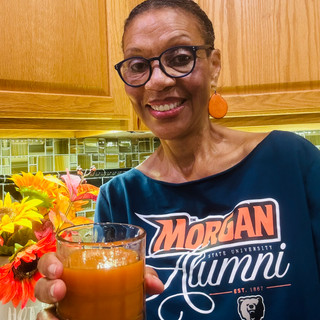
One of my favorite things to bring—aside from savory plant-based dishes—is my non-alcohol spiced hibiscus mulled wine. The name is long, and the ingredient list is even longer: real herbs, flowers, roots, fruits, and warming spices blended into a deep, rich, ruby-red drink that feels like a hug in a mug. It looks festive, smells incredible, and feels special.
The Power of Presence
Here’s the fun part: everyone has always loved it. No one has ever stopped mid-sip to ask, “Where’s the alcohol?” They are too busy enjoying the flavor. Moments like that remind me that people don’t always miss what is absent; they respond to what is present—care, creativity, and genuine flavor.
I don’t announce that my dish or drink is “healthier” or “different.” I simply place it on the table with everything else and let curiosity do the rest. Guests pour a cup of the hibiscus mulled wine or try a plant-based entrée or side, and their faces often shift from cautious to pleasantly surprised. Those reactions are small, quiet signs that tradition is more flexible than we think.
Sometimes all it takes is one person willing to lead with something new—something that honors health and still feels celebratory. In doing so, you are not separating yourself from the group; you are expanding what celebration can look like.
Redefining Celebration
So, can you afford to celebrate? Yes, you can. You can absolutely celebrate—laugh, hug, gather, and enjoy delicious food. But you also can’t afford to keep sacrificing your body, energy, and long-term health to a version of tradition that no longer serves you.
The invitation is to take control of your holiday season in a gentle, empowered way. Eat before you go. Bring dishes and drinks that you truly love and that love you back. Make the table more colorful with fruits, vegetables, whole grains, herbs, and spices. Let your contribution be something “deliciously authentic,” as unique as you are. Over time, others will join in, and you’ll notice that you no longer have to sit in the corner with a lonely plate of food only you can eat.
You are allowed to redefine what celebration means. It can be joyful and nourishing at the same time. This year, instead of asking, “How much can I get away with?” try asking, “How do I want to feel—in my body, in my spirit, and in my relationships—when this season is over?”
Let your answer guide your plate. Let it guide what you bring, what you choose, and what you gently decline. You don’t have to wait for January to act like your health matters. You can celebrate now in a way that your future self will thank you for—and your traditions, over time, will grow to reflect that.


Comments